
ChatGPT Ads Key Takeaways
I want you to think of it like this: right now, when you search on Google, you see paid ads above the organic results.
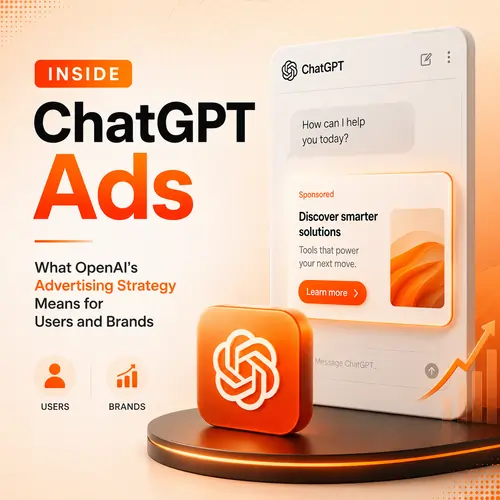
What Are ChatGPT Ads? I Explain Simply
If you have used ChatGPT, you know it feels like talking to a smart friend. You ask a question, and it gives you a detailed answer. Now imagine that in the middle of that conversation, the chatbot suggests a brand — like a hotel in Siem Reap or a restaurant in Phnom Penh. That is the core idea behind ChatGPT Ads.
What are ChatGPT Ads? They are sponsored messages or recommendations that appear inside the chat flow. Unlike banner ads on a website, these ads feel natural because they match what you are asking about. For example, if you type “where can I find good coffee in Battambang,” ChatGPT might reply with a suggestion from a local café that paid to be featured. Early reports from Reuters and The Verge confirm OpenAI is actively building an advertising system.
I want you to think of it like this: right now, when you search on Google, you see paid ads above the organic results. ChatGPT Ads work similarly, but the ad is embedded inside a conversation. It is more personal, more contextual, and potentially more powerful for brands that get it right. For a related guide, see How to Use ChatGPT for Local SEO in Cambodia.
Why OpenAI Is Building ChatGPT Advertising: The Business Side
OpenAI spends a huge amount of money running ChatGPT. Every query costs computing power, electricity, and infrastructure. The company needs a sustainable OpenAI business model to keep the service free for millions of users. ChatGPT monetization through advertising is the natural next step.
Let me break down the OpenAI revenue strategy into three parts:
| Revenue Stream | What It Is | Status |
|---|---|---|
| ChatGPT Plus subscriptions | Users pay $20/month for priority access, faster responses, and advanced features. | Active |
| API licensing | Businesses pay to integrate GPT models into their own apps and services. | Active |
| ChatGPT Ads | Sponsored content and placements within chat conversations. | In development |
The OpenAI ads roadmap reportedly includes targeting options based on the user’s conversation intent, not personal data. That means if you ask about conversational commerce or local services, the ad matches your immediate need. This is a fundamental shift from traditional digital advertising innovation.
How Will ChatGPT Ads Work? A Step-By-Step Look
I have read through dozens of reports and analyst notes to piece together how this system will function. Here is what we know so far about ChatGPT Ads explained in plain steps:
Step 1: A User Asks a Question
You open ChatGPT and type something like “suggest a good wedding photographer in Phnom Penh.” The AI understands your intent — you want a recommendation, not just a definition.
Step 2: The System Identifies an Ad Opportunity
If a photographer brand has paid for a sponsored AI response, ChatGPT may include that brand in its answer. The ad is labeled as “sponsored” or “recommended.” This is a form of intent-based advertising because the timing matches what you want.
Step 3: The User Engages
You see the suggestion, click a link, or ask a follow-up question about the brand. The advertiser pays OpenAI only when specific actions happen — similar to pay-per-click, but inside a conversation.
This is the essence of conversational advertising. It feels less like an interruption and more like helpful advice. For brands, it creates brand visibility in AI search at the moment of highest intent.
ChatGPT Ads vs Google Ads: What’s Different?
Many people ask me: “Isn’t this just Google Ads inside a chat window?” The answer is no — and the difference matters for your strategy.
ChatGPT vs Google Ads comparison:
- Format: Google Ads are text links or shopping cards. ChatGPT Ads are conversational sentences integrated into a reply.
- Targeting: Google uses your search history and cookies. ChatGPT advertising targets based on the current conversation context only — or at least that’s the stated plan.
- User mindset: When you search on Google, you often scan quickly. When you chat with ChatGPT, you are more engaged and ready to explore.
- Cost: Google charges per click. OpenAI may charge per impression, per engagement, or per qualified lead — we are still waiting for final pricing.
For advertising on AI platforms, the key advantage is relevance. The ad is not a separate box; it is part of the answer. That is why AI-native advertising feels different from everything that came before.
What ChatGPT Ads Mean for Users in Cambodia
Will ChatGPT remain ad-free? For now, the free version has no ads. But OpenAI has confirmed plans to introduce them, likely starting in 2025 or 2026. So does ChatGPT have ads? Not yet — but they are coming.
As a Cambodian user, you may wonder how this affects your experience. I think the impact depends on how OpenAI designs the system. If ads are clearly labeled and genuinely useful, they could actually improve your experience. For example, if you ask about “best smartphone under $300 in Cambodia,” a sponsored answer from a trusted local retailer could save you time.
But there are risks too. How will ads affect ChatGPT users? If ads become too frequent or pushy, the conversation feels less natural. OpenAI must balance ChatGPT monetization with user trust. If they get it wrong, people may leave. If they get it right, it becomes a new standard for AI-powered advertising.
Opportunities for Brands and Marketers in Cambodia
This is where I get excited. For brands in Cambodia — from SMEs in Takeo to large retailers in Phnom Penh — ChatGPT Ads represent a first-mover opportunity. Most businesses have no idea this is coming. That means you can start preparing now while your competitors are still ignoring it. For a related guide, see ChatGPT SEO Tips for Cambodia: Rank Higher in 2026.
Advertiser Opportunities in ChatGPT
Here are concrete ChatGPT marketing opportunities I see for Cambodian businesses:
- Local service providers: Hotels, tour guides, restaurants, and real estate agents can appear when users ask for recommendations in Khmer or English.
- E-commerce stores: If a user asks “where to buy organic skincare in Cambodia,” a sponsored response from your shop can drive direct sales.
- Educational institutions: Language schools, universities, and training centers can target students searching for courses.
To take advantage, you need to understand AI answer engine optimization. This is not the same as SEO for Google. You want your brand to be mentioned naturally by AI when it recommends answers. Start by creating high-quality, authoritative content about your business on your website and other trusted platforms.
ChatGPT advertiser tools are still under development, but OpenAI has hinted at a self-service dashboard where brands can set budgets, choose keywords, and measure performance. Think of it as Google Ads, but designed for conversation.
Privacy and Ethical Concerns: What You Should Know
Is OpenAI planning advertisements that respect user privacy? That is the big question. OpenAI has said publicly that ChatGPT Ads will not use your personal chat history to target you. Instead, targeting will be based on the current conversation. This is called contextual advertising — showing ads based on the topic, not the person.
But some experts worry that over time, the system could become more invasive. Ethical AI advertising requires transparency. Users must know when a recommendation is paid for. I believe OpenAI will label sponsored responses clearly, but we need to hold them accountable.
For brands, privacy and AI advertising is also a risk. If your ad appears in a conversation that feels private or sensitive, users may react negatively. Choose your targeting carefully. Avoid appearing in conversations about health, finance, or personal problems unless your product genuinely helps.
As AI advertising trends 2026 emerge, expect more regulation. Cambodia may also introduce local guidelines for AI-generated advertising. Stay informed and stay ethical.
How to Prepare for ChatGPT Ads: Actionable Tips
I don’t want you to just read this article and forget about it. Let me give you real steps you can take today to prepare for ChatGPT Ads and AI-powered customer acquisition.
1. Build Your Brand’s AI Visibility
Start optimizing your content for AI search advertising. Write clear, authoritative articles about your products and services. Use structured data, FAQs, and straightforward language that AI can understand and reference.
2. Monitor OpenAI’s Announcements
Follow OpenAI’s official blog and reputable tech news. When the OpenAI ad products dashboard launches, you want to be among the first to sign up. Early adopters often get better pricing and less competition.
3. Test Conversational Copy
Practice writing ad copy that sounds natural in a conversation. Instead of “Buy now — limited offer,” try “Many people in Phnom Penh choose this product because it lasts longer.” The tone must match the AI assistant’s voice.
4. Explore Partner Agencies
If you are a brand manager or growth marketer, work with agencies or consultants who specialize in AI marketing automation and generative AI advertising. At VentoRich, we are already testing strategies for early clients.
The Future of AI Advertising: What Comes Next
The future of advertising is not a static banner — it is a helpful conversation. ChatGPT Ads are just the beginning. Other AI assistants like Google Gemini, Microsoft Copilot, and Perplexity will likely follow similar models. We are moving toward an AI ad ecosystem where every assistant becomes a potential discovery channel.
AI discovery platforms will replace some of the traffic that currently comes from search engines. Search engine alternatives like ChatGPT will change how people find products and services. As an SEO expert with 18 years of experience, I can tell you: the old rules are being rewritten.
For digital marketers, brand managers, and CMOs, the message is clear. Invest in understanding conversational AI marketing now. Test small campaigns. Learn what works. By the time ChatGPT Ads launch fully, you will already know how to win.
Useful Resources
To dive deeper into OpenAI advertising strategy and ChatGPT Ads explained, check out these reliable sources:
- Reuters: OpenAI Plans to Introduce Advertising in ChatGPT — A breaking news report on the initial announcement.
- The Verge: OpenAI Is Hiring for an Ad Business — Detailed analysis of job postings and the company’s direction.
Frequently Asked Questions About ChatGPT Ads
Does ChatGPT have ads right now?
No, ChatGPT does not currently show any advertisements. OpenAI is still developing its advertising system, expected to roll out in late 2025 or 2026.
Is OpenAI planning advertisements for the free version?
Yes, according to reports, OpenAI plans to introduce ads primarily on the free tier of ChatGPT to generate revenue without charging users.
How will ChatGPT Ads work in practice?
Ads will appear as sponsored suggestions or recommendations within the conversation flow, triggered by the user’s question context.
Will ChatGPT Ads be labeled as sponsored?
Yes, OpenAI has indicated that sponsored responses will be clearly marked so users know when a brand has paid for the recommendation.
Can I opt out of seeing ChatGPT Ads ?
Details are not final, but it is likely that paid subscribers will see fewer or no ads, similar to other freemium platforms.
How much will ChatGPT Ads cost for advertisers?
Pricing has not been announced yet. It may be based on cost-per-click, cost-per-impression, or cost-per-engagement models.
What targeting options will ChatGPT Ads offer?
Targeting is expected to be contextual — based on the current conversation topic — rather than using personal browsing history or chat logs.
How are ChatGPT Ads different from Google Ads?
ChatGPT Ads are conversational and appear inside an AI answer, while Google Ads are separate text or shopping listings on a search results page.
What types of businesses benefit most from ChatGPT Ads ?
Local service providers, e-commerce stores, travel brands, educational institutions, and any business that answers common questions will benefit.
Can small businesses in Cambodia use ChatGPT Ads ?
Yes, when the platform launches, small businesses in Cambodia can target local users by creating relevant, authoritative content and bidding on local keywords.
Will ChatGPT Ads support the Khmer language?
OpenAI has not confirmed language support, but given ChatGPT’s multilingual capabilities, Khmer-language ads are likely in the future.
How do I prepare my brand for ChatGPT Ads ?
Start by publishing high-quality, trustworthy content about your products. Build citations on reputable sites so AI models recognize your brand as an authority.
What is AI answer engine optimization ?
It is the practice of optimizing your online content so that AI assistants like ChatGPT recommend your brand or answer when users ask relevant questions.
Will ChatGPT Ads use my personal chat history?
OpenAI says it will not use personal chat history to target ads. Only the current conversation context will be used for ad selection.
What are sponsored AI responses ?
Sponsored AI responses are answers that include a paid brand recommendation, clearly labeled, and integrated naturally into the chatbot’s reply.
Is ChatGPT advertising ethical?
It can be ethical if ads are transparent, contextual, and respect user privacy. OpenAI must follow responsible AI practices to maintain trust.
What is conversational commerce in AI?
Conversational commerce refers to buying and selling products directly through chat or voice interactions with AI assistants.
How will ChatGPT Ads affect user trust?
If ads are helpful and transparent, trust may remain high. If ads feel deceptive or intrusive, users may lose confidence in the platform.
What is the OpenAI business model with ads?
The model combines subscription revenue, API licensing, and advertising income to support free access for users while funding AI development.
Where can I learn more about AI advertising trends?
Follow trusted tech publications like Reuters, The Verge, and the OpenAI blog. I also share regular insights on my LinkedIn and the VentoRich blog.
